
Selling a home can feel overwhelming at any age, but for seniors—and the adult children supporting them—it brings unique considerations. Whether it’s downsizing to a smaller house, moving closer to family, or transitioning to an assisted living community, there are important steps to help ensure a smooth process. Below is a roadmap that explains how to navigate selling a senior’s home.
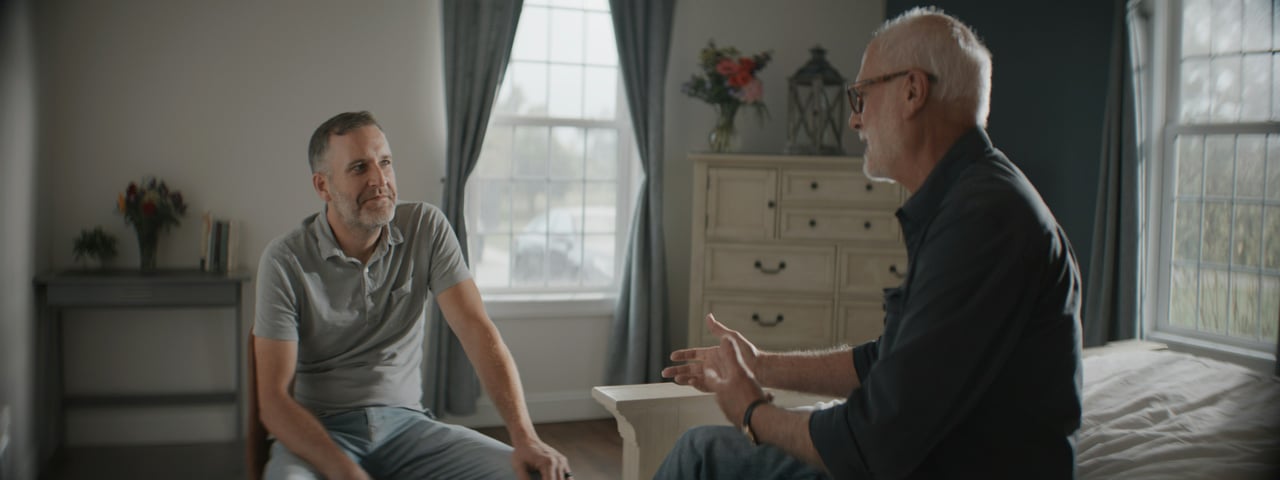
1. Begin with Open Communication
Why it’s crucial: Selling a long-time residence can be emotional, and clarity about the goals and timeline helps prevent stress or misunderstandings.
- Talk it through: Have honest conversations about reasons for selling (downsizing, health concerns, proximity to family, financial goals, etc.).
- Set expectations: Decide who’s responsible for what, such as interviewing real estate agents, budgeting for repairs, and gathering documents.
2. Understand Financial and Legal Details
Why it’s crucial: Seniors often have unique financial concerns (e.g., retirement income, Social Security), and a well-organized plan paves the way for a successful transaction.
- Financial checkup: Determine the mortgage balance (if any) and the estimated equity in the property. Review how selling might impact retirement funds, tax obligations, and potential inheritance matters.
- Consult with professionals: A trusted financial advisor or tax professional can offer clarity on capital gains taxes and other financial considerations.
- Gather essential documents: Estate plans, wills, trust documents, and any power of attorney paperwork should be up to date. This ensures the sale can proceed smoothly if an adult child needs to sign on a parent’s behalf.
3. Choose the Right Real Estate Agent
Why it’s crucial: An agent with experience working with seniors and their families can make all the difference.
- Ask about senior-specific experience: Agents who have helped older clients can share insights on downsizing resources, estate sale services, and local senior living options.
- Request a clear marketing plan: The agent should outline how they’ll market the property to attract potential buyers—especially if the home has features that are particularly attractive to older or younger buyers.
- Communication style: Make sure the agent is comfortable communicating with both the senior and their adult children to keep everyone on the same page.
4. Prepare the Home
Why it’s crucial: A well-prepared home tends to sell faster and for a higher price.
- Declutter and downsize: This can be a sensitive step if the homeowner has decades of memories in the house. Offer support and possibly hire a senior move manager or professional organizer.
- Address deferred maintenance: Fix minor issues like leaky faucets or worn carpets. Buyers often pay close attention to even small problems.
- Consider strategic updates: Simple improvements—like fresh paint or updated fixtures—can modernize a home without a large renovation budget.
5. Price the Home Realistically
Why it’s crucial: Overpricing can cause a listing to sit on the market, while underpricing can mean missing out on potential profits.
- Market analysis: Work with the real estate agent to compare similar homes (active, pending, and recently sold) in the area.
- Strategic listing: Pricing properly from the start generally attracts serious buyers and may lead to multiple offers.
6. Showings and Open Houses
Why it’s crucial: Making a strong first impression can be the difference between a quick sale and a lengthy one.
- Keep it tidy: Establish a routine for quick cleanups before showings if the senior is still living in the home.
- Schedule wisely: Work with your agent to set showing times that are convenient for the senior’s lifestyle and mobility considerations.
- Consider temporary housing: If showings become too disruptive or if health concerns arise, moving into a short-term rental, with family, or an assisted living community before the sale may be beneficial.
7. Negotiating Offers
Why it’s crucial: Receiving offers is exciting, but ensuring all parties understand the details can be challenging.
- Weigh price vs. terms: A higher offer with complicated contingencies might be less appealing than a slightly lower offer with simpler terms.
- Include all decision-makers: If adult children have power of attorney or if multiple siblings are involved, make sure everyone sees the offer and has a chance to ask questions.
- Be open-minded: Sometimes flexible closing dates or renting back for a short time can make the transition easier for the senior.
8. Closing the Deal
Why it’s crucial: This final step involves paperwork and official transfers—being well-prepared avoids last-minute headaches.
- Title and escrow: Title companies verify the legal ownership of the property, while escrow services handle the transfer of money and documents.
- Final walkthrough: The buyer will likely conduct a final inspection to ensure the property’s condition hasn’t changed since the offer.
- Have a plan for moving day: If the senior hasn’t already moved, coordinate professional movers and any senior transition specialists to assist with packing and unpacking.
9. After the Sale
Why it’s crucial: Closing on the home is a major milestone, but seniors and their families also need to settle in comfortably wherever they’re headed next.
- Celebrate the transition: This is often the start of a new chapter—acknowledge the memories, but also look forward to a fresh beginning.
- Notify relevant parties: Update the senior’s address with doctors, banks, insurance providers, and, of course, friends and family.
- Stay connected: If the senior relocates to a new neighborhood or community, help them get involved in social or recreational activities to maintain a fulfilling lifestyle.
Final Thoughts
Selling a senior’s home can be a meaningful, albeit emotional, process. Clear communication, proper planning, and an experienced real estate agent can transform a stressful situation into a well-managed transition. By keeping all family members informed and seeking professional advice along the way, you’ll help ensure the senior’s comfort, financial security, and peace of mind—making it a positive experience for everyone involved.