Seniors are the number one target of real estate fraud. Not because they're naive — but because they've built something worth taking. A lifetime of equity in a home, a clear title, and often a moment of transition that scammers know how to exploit. Here's what's happening, and how to stay protected.
Why Seniors Are Targeted
Scammers follow the equity. Orange County homeowners who've been in their homes for 20, 30, or 40 years have often accumulated hundreds of thousands — sometimes millions — of dollars in equity. During the stress and confusion of a major life transition (a health event, the loss of a spouse, downsizing), that vulnerability becomes an opening.
Many real estate-related scams targeting seniors don't look like scams at all. They look like opportunities, offers of help, or routine paperwork.
The Most Common Real Estate Scams Targeting Seniors
1. Deed Fraud / Title Theft
This is exactly what it sounds like. A scammer forges your signature or uses stolen identity information to transfer the deed of your home into their name — often without your knowledge. By the time it's discovered, the property may have been refinanced or sold.
How to protect yourself: Sign up for your county's free property alert system. Orange County homeowners can register at the OC Recorder's website to receive email or text alerts any time a document is recorded in your name.
2. Predatory "We Buy Houses" Offers
Not all cash buyers are predatory — but some specifically target seniors in financial distress or health-related transitions. They offer quick closings and "fair" cash prices that turn out to be 30–50% below market value, counting on urgency and a lack of comparison shopping.
How to protect yourself: Before signing anything with a cash buyer, get a free market valuation from a licensed agent. A real offer won't disappear while you do your homework.
3. Foreclosure Relief Scams
Targeting homeowners who are behind on payments, these scammers pose as "housing counselors" or "loan modification specialists." They charge upfront fees, collect mortgage payments that never reach the lender, and sometimes convince homeowners to sign over their deed as part of a fake "rescue" program.
How to protect yourself: Legitimate HUD-approved housing counselors are free. Never pay upfront fees for foreclosure assistance, and never sign a document you don't fully understand without an attorney reviewing it first.
4. Contractor / Repair Scams
A contractor knocks on the door — sometimes after a storm, sometimes out of nowhere — and offers to fix a roof, driveway, or HVAC system at a "great price." They ask for a large upfront deposit, do substandard work (or none at all), and disappear. In some cases, they also gather enough personal information to facilitate identity theft.
How to protect yourself: Never hire a contractor who approaches you unsolicited. Always verify licenses through the California Contractors State License Board (CSLB), get multiple bids, and never pay more than 10% or $1,000 upfront — whichever is less — under California law.
5. Reverse Mortgage Misrepresentation
Reverse mortgages are a legitimate financial tool — but they are frequently misrepresented or pushed on seniors who don't fully understand the terms. Some scammers pose as advisors and steer seniors into reverse mortgages that benefit the scammer, not the homeowner.
How to protect yourself: Before pursuing a reverse mortgage, speak with an independent HUD-approved counselor — not someone referred by the lender. Understand that a reverse mortgage does eventually come due, and know how that affects your estate.
6. Fake Rental Listings
Seniors searching for a smaller rental after selling their home are sometimes targeted with fraudulent listings — properties that don't exist or aren't available, with scammers collecting deposits or first/last month's rent before disappearing.
How to protect yourself: Never wire money or pay via gift card for a rental. Always view a property in person (or have someone you trust do so) before paying anything. Work with a licensed real estate agent who can verify the listing.
Red Flags to Know
• Anyone pressuring you to sign quickly or "before the offer expires"
• Unsolicited contacts about your home — door to door, phone, or mail
• Requests for payment via wire transfer, gift cards, or cash
• Anyone who discourages you from consulting a family member, attorney, or agent
• Offers that seem unusually favorable or come with excessive urgency
• Documents you don't fully understand being presented as routine
What to Do If You Suspect Fraud
If something feels off, trust that feeling. You can report suspected real estate fraud to:
• California Department of Real Estate (DRE): dre.ca.gov
• OC District Attorney's FAST Team (Financial Abuse Specialist Team): they specifically handle elder financial abuse
• California Attorney General's Office: oag.ca.gov
• Adult Protective Services: 1-800-225-4368
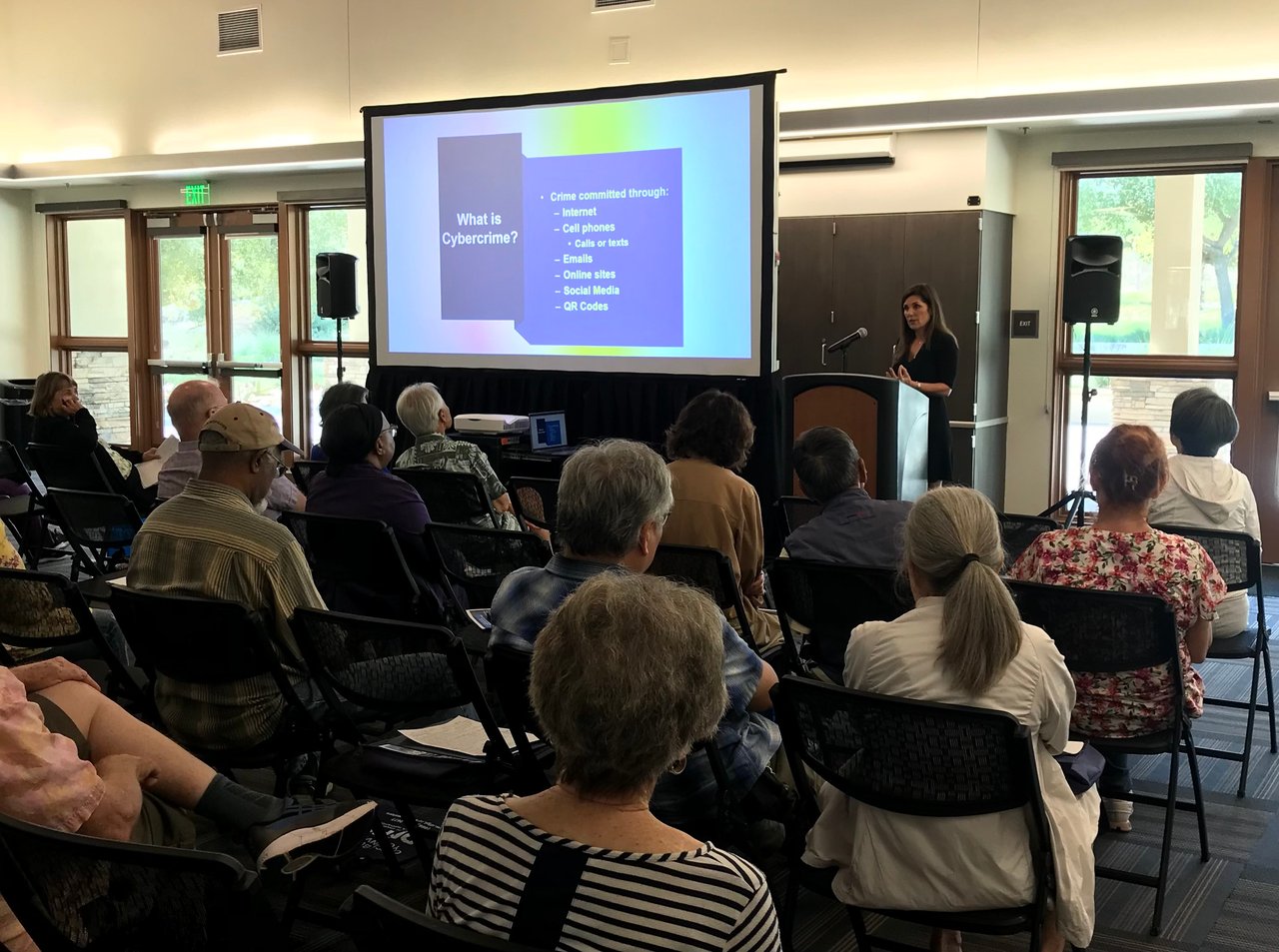
And of course, you can always call me. I present fraud prevention seminars throughout Orange County and can connect you or a family member with the right resources — no transaction necessary.
Protecting What You've Built
You've spent decades building equity in your home. That's worth protecting with the same care you'd give any major asset. A little awareness goes a long way — and sharing this information with a neighbor, a parent, or a friend could make all the difference.