Letting Go of the Family Home: It's Not Just a Real Estate Decision
For most seniors, the family home isn't just a financial asset. It's the place where a marriage grew, children were raised, holidays happened, and decades of ordinary life accumulated into something irreplaceable. Selling it is one of the most emotionally complex things a person can do. And yet — it happens every day, and people find their way through it.
What Makes This Different From Any Other Home Sale
I've worked in real estate for a long time, and I can tell you without hesitation: selling the family home after decades of living in it is not like selling any other property. The practical steps are the same. The emotional experience is entirely different.
For many of my clients, the house has become a container for everything — memories, relationships, a sense of self. Walking away from it can feel like walking away from who they've been. That feeling is real, it's valid, and it deserves to be acknowledged before anyone talks about listing dates or asking prices.
The Grief Is Real — and It's Allowed
Grief isn't reserved for loss of life. It shows up anywhere something meaningful ends — and for many people, leaving the family home is a genuine loss that deserves to be mourned.
You might feel it as reluctance to schedule the first meeting. Or an inability to start clearing out rooms. Or a sudden flood of emotion while standing in the kitchen on an otherwise ordinary afternoon. All of it is normal.
What I've seen trip people up is the pressure — often self-imposed — to just get on with it. To be practical. To focus on the next chapter. Those things matter, but they're easier to reach when the grief has had some room to breathe first.
What People Actually Miss — and What Surprises Them
When I ask clients what they're most worried about losing when they leave their home, the answers are rarely about square footage or the garden or even the neighborhood. They're about something more specific:
• The kitchen where every holiday meal started
• The backyard where the grandchildren played
• The bedroom that was their child's for twenty years
• The view from a particular window at a particular time of day
• The feeling of waking up somewhere that has known them for decades
What surprises people — and this I hear over and over again — is how much lighter they feel once the move is done. Not immediately. But within weeks or months, many of my clients describe a relief they didn't expect: freedom from the maintenance, the space they no longer needed, the weight of a house that had become more burden than comfort.
The things they thought they'd miss most are often the things they think about least. And the new life — the smaller space, the community, the proximity to family — turns out to hold more than they imagined.
How to Make the Process Feel Less Like Loss
Document it before you leave.
Walk through the house with a camera or your phone. Take photos of the rooms as they are, the details that matter to you, the view from every window. Some families record a video — a simple walk-through narrated by the person who lived there longest, telling the stories of each room. This isn't about real estate. It's about preservation. It's one of the most meaningful things a family can do.
Give yourself permission to take your time.
Unless a health event or financial situation requires urgency, you don't have to rush. I work with clients who spend several months deciding what stays, what goes, and what gets passed to the people they love. That time isn't wasted — it's part of the process.
Be intentional about what you bring with you.
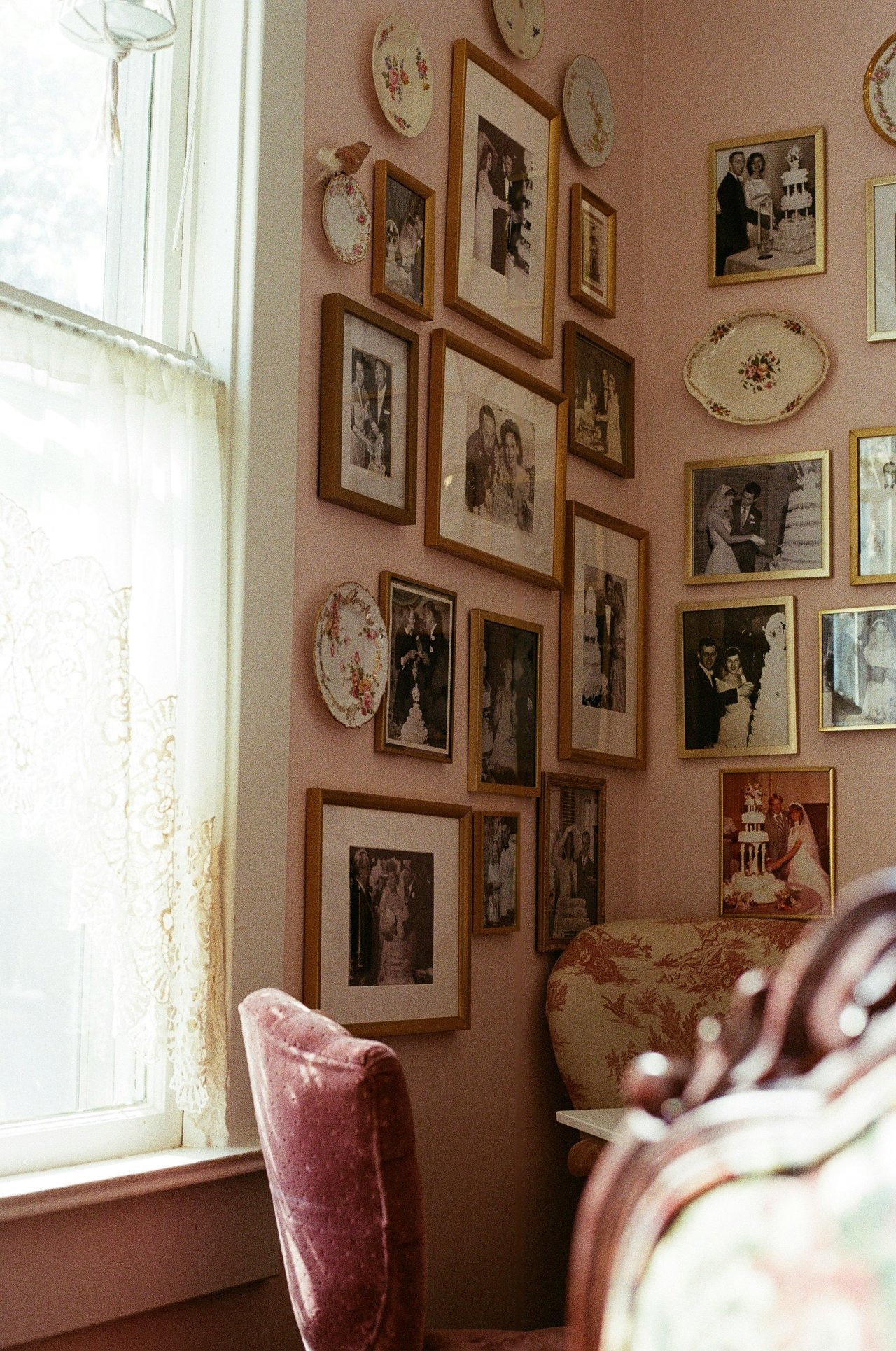
The new space will likely be smaller. Not everything can come. But the things that do come — the chair that was always yours, the photographs, the objects that carry the most meaning — will make the new place feel like home faster than you expect. Being deliberate about those choices turns the editing process into something meaningful rather than something merely painful.
Involve the people who share the history.
If there are adult children or grandchildren, letting them participate in the process — choosing meaningful items, hearing the stories behind things, helping with the transition — turns what could be a solo loss into a shared experience. Many families find this becomes one of the most connecting things they've done together.
Let the new place be new.
One of the things that makes transition harder is trying to recreate the old home in the new space. The new place will be different — and that's okay. It will develop its own rhythms, its own comfort, its own meaning over time. Give it the chance to do that without measuring it constantly against what came before.
What I've Learned From Being in the Room
After years of sitting across from seniors and their families at some of the most significant moments of their lives, I've come to believe that the people who move through this most gracefully are the ones who let themselves feel it — and who have someone in their corner who understands that this is about more than a transaction.
My role in a home sale is practical: pricing, marketing, negotiating, closing. But I also understand what's underneath all of that for the people I work with. I don't rush it. I don't minimize it. And I try to make sure that when we get to the other side, my clients feel good about how they got there — not just where they landed.
If you're approaching this conversation — for yourself or someone you love — I'm happy to talk. There's no agenda, no timeline, no pressure. Just a conversation with someone who's been in the room.